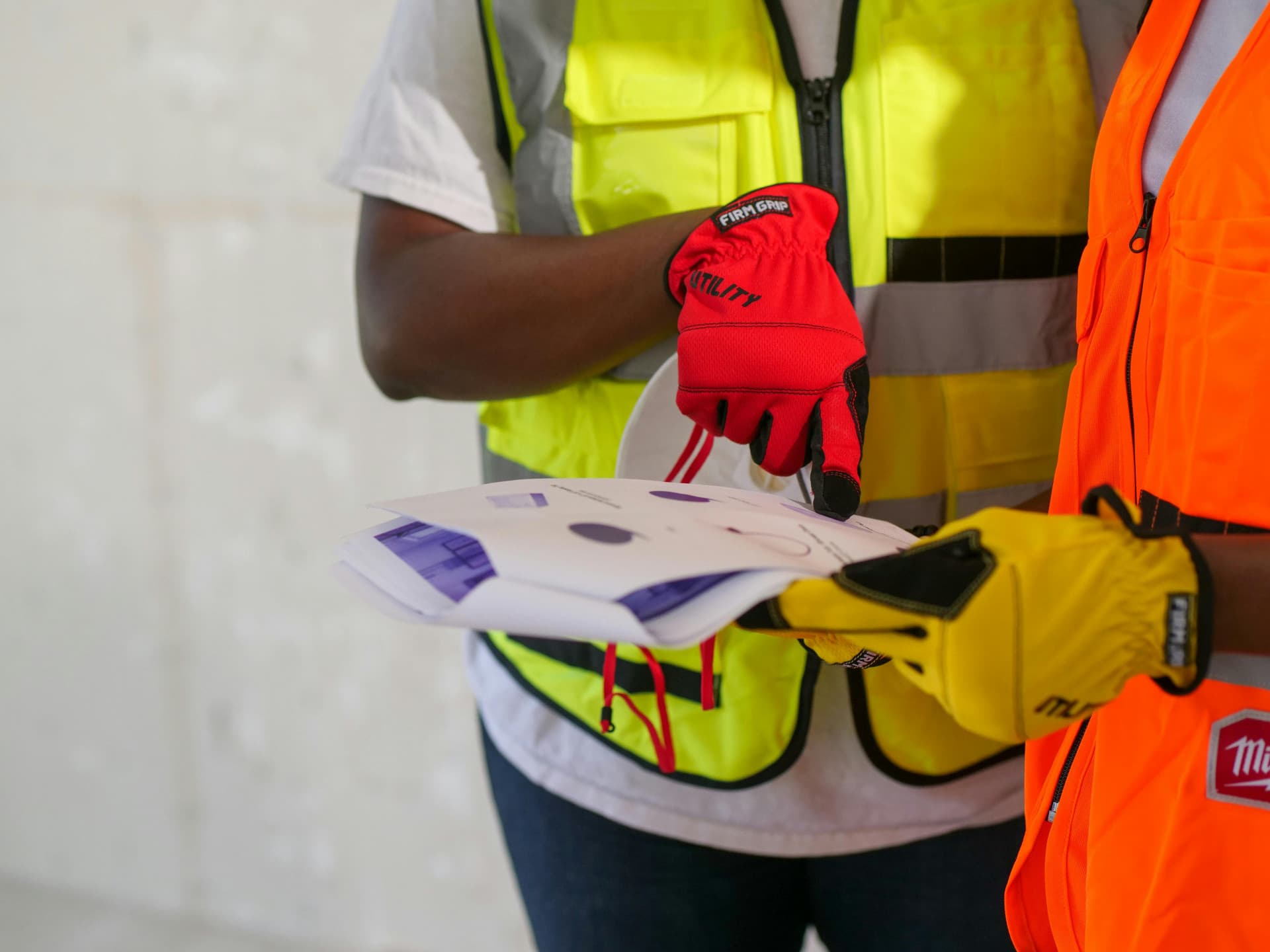

Manufacturing remains one of the most operationally complex sectors in the UK economy. Production environments combine machinery, materials handling, vehicles, hazardous substances and high-volume processes. As a result, health and safety hazards in manufacturing require structured management to protect workers and maintain safe operations.
While many organisations have established safety procedures and compliance systems, audit findings and incident investigations continue to show that high-risk activities require constant review. Identifying hazards early, carrying out appropriate risk assessments and verifying that controls are effective are all essential elements of manufacturing safety management.
This article explores the key health and safety hazards in manufacturing environments and explains which safety assessments are most important for organisations to prioritise in 2026.
Understanding Health and Safety Hazards in Manufacturing
The Manufacturing Environment
Manufacturing workplaces involve a wide range of activities, including machining, assembly, materials handling and maintenance. These activities often take place in environments where workers interact with moving equipment, heavy materials and industrial processes.
Because multiple hazards may exist simultaneously, organisations must manage risks systematically rather than relying on isolated safety procedures. A structured approach to identifying and controlling workplace hazards is therefore essential.
Common Safety Hazards in Manufacturing
Manufacturing operations present a variety of risks that can affect both immediate safety and long-term worker health. Typical hazards include machinery operation, manual handling, workplace transport, hazardous substances and electrical systems.
In addition to these physical hazards, workers may also be exposed to environmental factors such as noise, vibration or airborne contaminants. Without effective control measures, these exposures can lead to injuries, occupational illness or long-term health conditions.
Why Safety Management Is Critical
Health and safety management in manufacturing involves more than regulatory compliance. It requires continuous monitoring of work activities, regular review of risk controls and clear communication of safety responsibilities.
When safety systems are effectively implemented, organisations can reduce incident rates, improve operational reliability and create safer working conditions across production environments.
Why Risk Assessments Are Essential in Manufacturing
Regulatory Framework
UK legislation requires employers to identify and control workplace risks. The Health and Safety at Work etc. Act 1974 establishes the overarching duty to protect workers and others who may be affected by work activities.
Supporting regulations such as the Management of Health and Safety at Work Regulations 1999 require organisations to carry out suitable and sufficient risk assessments and implement appropriate control measures.
These legal duties form the foundation for structured safety management across manufacturing environments.
Identifying and Controlling Manufacturing Risks
Risk assessments allow organisations to identify hazards, evaluate the likelihood of harm and determine how those risks should be controlled. In manufacturing settings, this process often involves reviewing production processes, equipment operation and worker interaction with machinery and materials.
A well-structured risk assessment ensures that hazards are properly understood and that control measures are applied consistently across the workplace.
Prioritising High-Consequence Hazards
Manufacturing operations involve many potential hazards, but not all risks carry the same consequences. Some activities, such as working with moving machinery or handling flammable substances, have the potential to cause serious injury or fatal incidents if controls fail.
For this reason, organisations typically prioritise risk assessments that address high-consequence hazards and complex operational activities.
Key Risk Assessments Used in Manufacturing
A number of specialist assessments are commonly used to manage health and safety hazards in manufacturing environments. These assessments focus on specific types of operational risk.
1. Fire Risk Assessments
Fire risk assessments evaluate the potential for fires to occur within a workplace and identify measures to prevent ignition, detect fires early and protect occupants.
Manufacturing environments may involve combustible materials, electrical equipment and heat-generating processes. A structured fire risk assessment helps organisations identify ignition sources, evaluate evacuation arrangements and ensure that fire protection systems are suitable for the workplace.
2. DSEAR Assessments
Where dangerous substances are present, organisations may be required to carry out assessments under the Dangerous Substances and Explosive Atmospheres Regulations (DSEAR).
A DSEAR assessment evaluates the risks associated with substances that could create fire or explosion hazards, such as flammable liquids, gases or combustible dusts. The assessment identifies potential ignition sources, evaluates ventilation and containment arrangements, and determines suitable control measures.
DSEAR assessments are particularly relevant in industries such as chemical manufacturing, food production and pharmaceutical processing.
3. Machinery Risk Assessments
Machinery operation remains one of the most significant sources of injury within manufacturing environments. Machinery risk assessments examine how equipment is used, maintained and safeguarded.
These assessments typically review guarding arrangements, emergency stop systems, maintenance procedures and isolation controls. Particular attention is given to activities such as cleaning, fault-finding and maintenance where workers may be exposed to moving parts.
4. Workplace Transport Risk Assessments
Workplace transport risks arise where vehicles, such as forklifts or internal delivery vehicles, operate alongside pedestrians.
Transport risk assessments focus on traffic management arrangements, pedestrian segregation, driver training and visibility within the workplace. Effective planning of vehicle routes and clear separation between vehicles and workers are key elements in reducing collision risks.
5. Occupational Health and Hygiene Assessments
Some manufacturing hazards affect workers over a longer period rather than causing immediate injury. Occupational health assessments and hygiene monitoring help organisations identify exposure to hazards such as noise, vibration or airborne contaminants.
Monitoring programmes and health surveillance arrangements allow organisations to detect harmful exposures early and introduce appropriate control measures.
What Safety Audits Are Revealing in Manufacturing
Safety audits provide organisations with a structured review of how safety management systems operate in practice. In manufacturing environments, audits frequently identify gaps between documented procedures and operational activity.
Common Audit Findings
One recurring observation is that risk assessments may not always reflect the way tasks are actually performed on the production floor. Changes to processes, equipment or materials can introduce new hazards that are not immediately captured within existing assessments.
Audits also identify instances where procedures are not consistently followed or where supervision and monitoring of high-risk tasks is limited.
The Role of Regular Audits
Regular audits provide organisations with an opportunity to review the effectiveness of safety controls and identify areas where improvements may be required. These reviews help ensure that safety arrangements remain relevant as manufacturing processes evolve.
Continuous Improvement Through Review
When audit findings are reviewed and acted upon, they can support continuous improvement in workplace safety. Organisations can use this information to update risk assessments, strengthen training programmes and refine operational procedures.
Manufacturing Environments with Higher Risk Exposure
Certain characteristics of manufacturing operations can increase exposure to workplace hazards.
Operational Complexity
Manufacturing sites often involve multiple production processes operating simultaneously. This complexity increases the potential for interactions between machinery, workers and materials, which can create additional hazards.
Contractor Activity
Contractors are frequently involved in maintenance, installation or specialist work within manufacturing environments. Managing contractor activities requires clear communication of site rules and appropriate supervision to ensure that safety standards are maintained.
Multi-Site Operations
Organisations operating across multiple manufacturing locations may face challenges maintaining consistent safety standards. Variations in equipment, processes and site layouts can introduce differences in risk exposure that require careful management.
Prioritising Risk Control in Manufacturing
Effective safety management requires organisations to focus on the hazards that present the greatest potential for harm. This often involves prioritising high-consequence activities such as machinery operation, hazardous substance handling and workplace transport.
Regular review of risk assessments is essential as manufacturing processes evolve. When new equipment, materials or procedures are introduced, assessments should be updated to ensure that hazards remain properly controlled.
Integrating safety audits with risk assessment programmes also helps organisations maintain visibility of how controls are functioning in practice.
Conclusion: Managing Health and Safety Hazards in Manufacturing
Manufacturing environments contain a wide range of operational hazards that require careful management. Identifying health and safety hazards in manufacturing and applying appropriate risk assessments allows organisations to better understand how risks arise and how they can be controlled.
By combining structured assessments with regular review, monitoring and training, manufacturers can maintain effective safety systems that support both worker protection and operational reliability.
Final Word on Safety Management
Safety Management supports organisations through structured safety audits, risk assessments and compliance reviews designed to help identify gaps in safety controls. By providing independent insight into how safety systems operate in practice, these reviews help organisations strengthen risk management and maintain compliance across manufacturing operations.