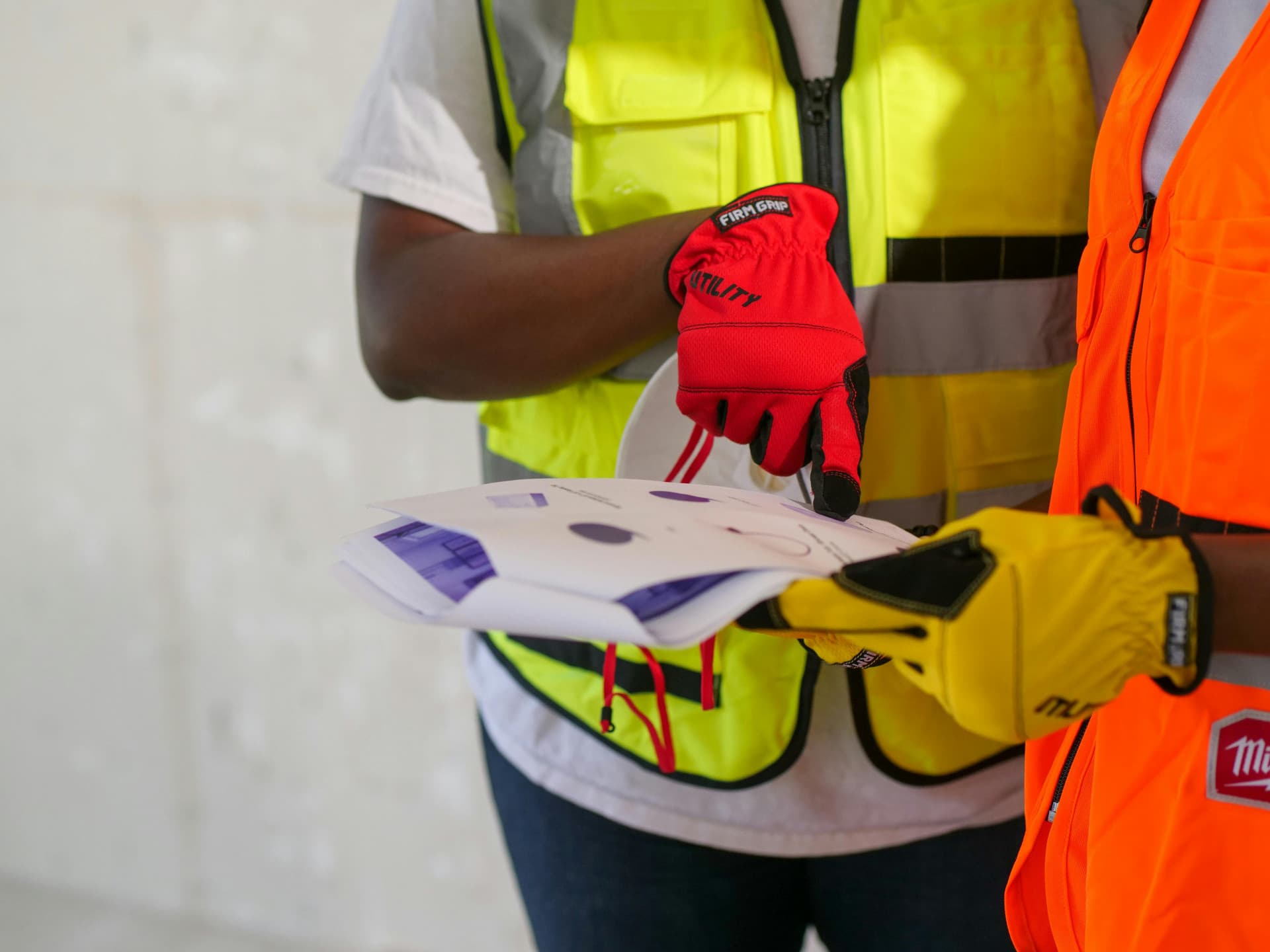

Knowing how to conduct a safety audit is essential for UK businesses aiming to maintain compliance and ensure a safe workplace. This step-by-step guide outlines the audit process, incorporating HSE expectations and UK safety regulations to provide a comprehensive approach to enhancing your organisation’s health and safety policies. This proactive measure not only mitigates risks but also cultivates a stronger safety culture.
Introduction to Safety Audits
Safety audits play a crucial role in maintaining compliance with UK health and safety laws and protecting employees from preventable harm. Regular audits help organisations identify risks, verify that control measures are working, and demonstrate due diligence under HSE standards.
What Is a Safety Audit?
A health and safety audit is a comprehensive review of workplace safety policies and procedures, aiming to identify potential hazards and assess the effectiveness of safety measures. This process assesses the safety performance of an organisation to ensure compliance with safety regulations.
The Importance of Safety Audits for Compliance
A well-structured audit does more than satisfy legal requirements. It builds a proactive safety culture. By highlighting both strengths and weaknesses, audits promote accountability at every level, encourage consistent training, and support a continuous cycle of improvement.
Reasons to Conduct a Health and Safety Audit:
- Legal compliance: Audits provide documented evidence that safety procedures meet the Health and Safety at Work etc. Act 1974.
- Risk reduction: Regular checks identify potential hazards before they lead to accidents.
- Cultural improvement: Employees see that safety is prioritised, reinforcing good habits and engagement.
- Accountability: Clear audit findings help assign responsibility for corrective actions and track progress.
Understanding Safety Audits
Differences Between Inspections and Audits
Here’s a breakdown of the differences between an inspection and a health and safety audit, both of which contribute to workplace safety:
- An inspection is a surface-level check focused on identifying immediate hazards and confirming compliance with existing safety procedures.
- A health and safety audit, on the other hand, is a comprehensive evaluation of the entire safety management system, examining the overall safety culture.
The Role of Safety Management Systems
Effective preparation is key to a successful safety audit. Start by defining what you want to achieve, who will conduct the audit, and which areas of your workplace need the most attention. Planning ahead ensures the process runs smoothly and that findings are meaningful and actionable.
Preparing for a Health and Safety Audit
Before starting a safety audit, clear preparation helps ensure the process runs smoothly and produces meaningful results. The goal is to clarify what you’re auditing, who’s responsible, and what standards or regulations you’ll be reviewing against. This foundation makes it easier to spot genuine safety gaps rather than repeating previous findings.
Selecting the Audit Type: Internal vs External
Start by deciding whether the audit will be internal or external.
- Internal audits are carried out by in-house teams who understand your operations and can provide continuous monitoring.
- External audits bring in independent specialists to deliver an objective review and identify issues that internal teams may overlook.
Many organisations alternate between the two to ensure a balanced view of their safety management system.
Defining Audit Scope and Objectives
Next, outline what the audit will cover — such as policies, training, risk assessments, or incident reporting. Set specific objectives to measure how effectively your safety systems are working. Clear goals help auditors stay focused on the highest-risk areas and prevent the process from becoming overly broad or repetitive.
Using a Workplace Safety Audit Checklist
A structured workplace safety audit checklist ensures every aspect of your safety system is reviewed consistently. It helps document findings, track actions, and make comparisons between audits. A well-designed checklist not only supports compliance but also improves accountability and follow-through across teams.
Step-by-Step Guide: Conducting a Safety Audit
Step 1: Define Audit Objectives
Once preparation is complete, the first formal step is to define your audit objectives in detail. These should align with your organisation’s health and safety goals and any HSE requirements relevant to your industry.
For example, your audit might aim to:
- Verify compliance with specific HSE regulations
- Evaluate the effectiveness of current risk assessments
- Identify areas where employee training or communication could be strengthened
Setting clear, measurable objectives ensures the audit remains focused, efficient, and aligned with your wider safety strategy.
Step 2: Review Previous Reports and Incidents
Start by reviewing records from earlier audits, incident reports, and near-miss investigations. This helps you understand recurring safety issues, verify whether previous corrective actions worked, and focus attention on areas where improvements have stalled. Looking at trends rather than isolated events gives you a clearer picture of overall safety performance.
Step 3: Conduct Site Walkthroughs and Interviews
Next, carry out on-site observations and speak directly with employees. Walkthroughs reveal real-world working conditions, while interviews uncover practical challenges and attitudes toward safety that documents can miss. Encourage open dialogue so staff feel comfortable sharing honest feedback—this insight is often what distinguishes a good audit from a great one.
Step 4: Identify Hazards and Assess Compliance
Use your findings to pinpoint genuine hazards and assess whether current control measures are effective. Focus on how tasks are actually performed, not just what’s written in procedures. Where controls appear weak, record the reasons—such as inadequate maintenance, unclear responsibilities, or outdated training—so recommendations can be precise and actionable.
Step 5: Record Findings and Prioritise Corrective Actions
Document observations clearly and sort them by priority. Highlight strengths as well as weaknesses to maintain balance. Then assign corrective actions based on severity and potential impact, setting realistic time frames and responsible persons. Using a colour-coded or numerical rating system can make it easier to track progress later.
Step 6: Draft and Share the Safety Audit Report
Prepare a structured report that summarises your objectives, methods, findings, and recommended actions. Include an executive summary for senior management and detailed evidence for operational teams. Keep the tone factual and solution-oriented—audits should drive improvement, not simply list deficiencies.
Step 7: Monitor Progress and Schedule Follow-Ups
An audit only adds value if its recommendations are implemented. Schedule follow-up reviews to confirm that actions have been completed and have produced measurable improvements. Treat each audit as part of a continuous cycle of learning—review results, refine procedures, and feed insights into future planning.
Common Findings in Health and Safety Audits
Conducting a health and safety audit should include the identification and documentation of common findings that often highlight deficiencies in safety practices and ensure compliance within organisations. Recognising these typical non-compliances is crucial for developing targeted strategies to improve workplace safety and mitigate potential hazards.
Typical Non-Compliances in the Workplace
Typical non-compliances observed during safety audits include inadequate record-keeping of safety training, improper use of personal protective equipment (PPE), insufficient risk assessments, and outdated safety policies. Addressing these common issues is vital for strengthening the organisation’s health and safety policies and comply with HSE guidelines and safety standards.
HSE Statistics on Safety Audit Findings
HSE statistics on safety audit findings provide valuable insights into the most prevalent workplace safety issues across various industries in the UK. These statistics often highlight areas such as inadequate safety training, failure to conduct regular equipment inspections, and poor management of potential hazards, guiding organisations in prioritising corrective actions and improving their safety performance.
Strategies for Addressing Common Issues
To address common issues identified in safety audits, organisations should implement comprehensive training programs, improve risk assessment processes, and regularly update safety policies. Encouraging employee involvement in hazard identification and implementing robust monitoring systems are also essential strategies for fostering a proactive safety culture and preventing recurrence of non-compliances, as well as confirming that staff are kept up to date with all safety training.
Improving Safety Culture Through Audits
Turning Audit Results into Lasting Improvement
Safety audits should be more than a compliance exercise—they’re an opportunity to strengthen how an organisation manages risk. Reviewing audit findings helps teams pinpoint recurring issues, close gaps in training or procedures, and track progress over time. Using results in this way embeds safety into everyday decision-making rather than treating it as a one-off requirement.
Engaging Employees in Safety Practices
Employee participation is the cornerstone of any strong safety culture. When staff contribute to identifying risks, suggesting improvements, and shaping safety policies, they develop a genuine sense of responsibility. This collaboration builds trust, increases awareness, and encourages consistent safe behaviours across all levels of the organisation.
Building a Sustainable Safety Mindset
A well-developed safety culture goes beyond preventing accidents—it improves morale, supports productivity, and strengthens an organisation’s reputation. Companies that invest in open communication, ongoing learning, and visible leadership commitment create workplaces where safety feels natural, not forced. Over time, this mindset becomes part of how the business operates every day.
Creating a Safety Audit Report
Structuring Your Safety Audit Report
A clear and concise report is essential for turning audit findings into actionable improvements. Start with an executive summary that highlights the most important results and recommendations, followed by a brief explanation of how the audit was carried out. Present identified risks in order of priority and outline the steps required to address them. A well-structured document demonstrates accountability and a genuine commitment to improving workplace safety.
Key Components: Executive Summary and Findings
The executive summary should capture the audit’s purpose, scope, and main outcomes in just a few paragraphs. This helps senior leaders and managers quickly understand what needs attention. The body of the report should then expand on specific findings, linking each issue to practical corrective actions and realistic timelines. Clarity and structure are vital. Reports should be easy to interpret and useful for planning follow-up actions.
Examples of Effective Safety Audit Reports
Strong reports go beyond listing non-compliances; they tell the story of how safety performance can improve. They combine observations, recommendations, and measurable objectives, showing alignment with HSE standards and best practice. Effective reporting encourages ownership, supports ongoing monitoring, and helps build a culture of continuous improvement across the organisation.
Legal and Regulatory Framework for Safety Audits in the UK
Understanding the Health and Safety at Work Act 1974
The Health and Safety at Work Act 1974 is the foundational piece of legislation for workplace safety in the UK, placing a general duty on employers to ensure compliance with safety regulations. This act necessitates regular safety assessments, hazard management, and the implementation of safety policies to protect employees and the public from potential hazards.
HSE Guidance on Audit Requirements
HSE provides extensive guidance on audit requirements, offering insights into best practices for safety management system implementation. HSE guidance emphasises the importance of safety training, risk assessments, and regular safety checks to maintain a safe work environment and foster a proactive safety culture, while also helping to ensure compliance.
Updates to Compliance Standards by 2025
Compliance standards for health and safety audits are continuously evolving. Updates by 2025 include more stringent requirements for risk assessments, enhanced emphasis on mental health in the workplace, and increased focus on safety leadership. Keeping abreast of these changes ensures compliance with the latest HSE guidelines and safety standards.
Conclusion
The Value of Regular Safety Audits
Regular safety audits are one of the most effective ways to maintain a safe and compliant workplace. They help uncover potential risks, verify the effectiveness of existing controls, and support ongoing improvements in safety management. A consistent audit schedule demonstrates accountability and reinforces an organisation’s long-term commitment to protecting its people.
Encouraging Proactive Audit Practices
Embedding audit practices into daily operations, through internal reviews, employee participation, and open communication, creates a stronger, more resilient safety culture. When teams are involved in identifying risks and shaping solutions, safety becomes part of everyday behaviour rather than a periodic obligation.
Partnering with Safety Professionals
For businesses looking to strengthen their approach, professional support can make a measurable difference. At Safety Management, our specialists provide tailored health and safety audits aligned with current HSE standards. We help organisations assess, improve, and sustain their safety performance—ensuring confidence, compliance, and a safer workplace for everyone.