Maintaining a safe work environment is paramount for any business, and effective fire safety is a critical component of that. Fire risk inspections play a vital role in identifying potential fire hazards and ensuring that appropriate safety measures are in place. However, even with the best intentions, common errors can occur during these inspections, leaving businesses vulnerable. In this guide, we’ll highlight the top fire risk inspection mistakes, and we will cover the two main benefits of avoiding them:
- Safeguarding your workplace
- Ensuring fire safety compliance
Why Fire Risk Inspections Matter
Fire risk inspections are crucial for businesses not only to meet legal requirements but also to maintain a safe environment for employees and customers. Regular fire risk assessments help identify potential fire risks and ensure that appropriate fire protection measures are in place. By conducting thorough inspections, businesses can proactively address fire hazards in the workplace, minimising the likelihood of a fire and ensuring the safety of everyone on the premises.
The Importance of Fire Safety Compliance
Fire safety compliance is not just about ticking boxes; it’s about ensuring the safety of everyone in the work environment. Adhering to fire safety regulations and implementing effective safety systems are crucial steps in protecting lives and property. Failing to meet these standards can have severe consequences, including legal penalties, fines, and, in the worst-case scenario, loss of life. A robust fire safety plan is essential for maintaining compliance and safety.
Legal Requirements for Fire Risk Assessments
Many countries have specific legal requirements for fire risk assessments. These requirements often include conducting regular fire risk assessments, documenting findings, and implementing appropriate fire safety measures. For example, the Fire Safety Order 2005 places a duty on responsible persons to conduct a fire risk assessment and take steps to prevent fire. Understanding and adhering to these fire safety regulations is essential for ensuring fire safety compliance and avoiding legal repercussions.
Understanding Fire Risks in the Workplace
Understanding fire risks in the workplace is the first step towards effective fire prevention. This involves identifying potential fire hazards, assessing the likelihood of a fire occurring, and determining the potential consequences. Common fire hazards in the workplace can include faulty wiring, flammable materials, and improperly stored chemicals. By understanding these risks, businesses can implement appropriate safety measures to minimise the risk of a fire. Conducting thorough inspections is essential to identify these risks and ensure fire protection.
Top Fire Risk Inspection Mistakes
Failing to Identify Fire Hazards
One of the most critical, and also the most common, fire safety mistakes during a fire risk inspection is failing to identify all potential fire hazards in the workplace. These fire hazards can range from obvious issues like improperly stored flammable materials to more subtle problems such as faulty wiring or overloaded electrical circuits. Overlooking these fire hazards in the workplace can have devastating consequences, as they increase the likelihood of a fire. A thorough fire risk assessment should involve a detailed examination of all areas of the premises to ensure that no potential fire risks are missed. The inspectors need to pinpoint all of the potential sources of fire.
Not Updating Risk Assessments Regularly
Another common mistake is failing to update fire risk assessments regularly. Fire risk assessments should not be a one-time event; they should be reviewed and updated periodically, especially after any significant changes to the workplace, such as new equipment, changes in layout, or alterations in work processes. Failing to do so can result in outdated safety measures that do not address current fire risks. Regular fire risk assessments are essential for maintaining fire safety compliance and ensuring the ongoing safety of the premises. Remember to update it to keep the current fire safety compliance.
Neglecting Staff Training and Fire Safety Training
Neglecting staff training, especially inadequate fire safety training, is another common fire safety compliance mistake. Employees should be adequately trained on fire safety procedures, including several key areas:
- How to use a fire extinguisher
- How to evacuate the building safely
- How to report a fire
Without proper safety training, employees may not know how to respond effectively in the event of a fire, which can lead to serious consequences. Regular fire safety training and fire drills are crucial for ensuring that all staff members are prepared to act quickly and effectively in an emergency, to safeguard everyone.
Not Testing Fire Equipment and Alarms
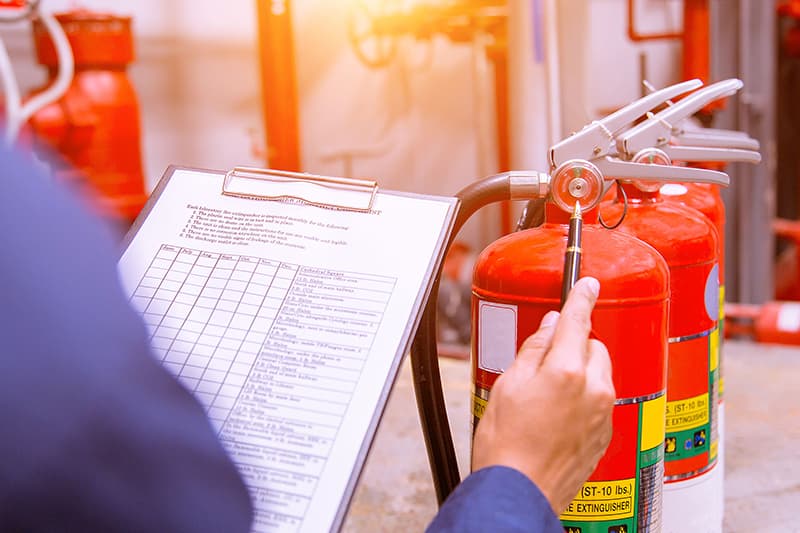
A frequent oversight during fire risk inspections is not testing fire safety equipment and alarms regularly. Fire alarm systems, fire extinguishers, and other fire safety equipment should be tested periodically to ensure that they are in good working order. Faulty or non-functional fire detection equipment can render a fire safety plan ineffective, putting lives at risk. Regular testing and maintenance of fire safety equipment and fire alarm systems are essential for ensuring workplace fire safety and that systems are compliant with safety standards.
How to Avoid Fire Risk Inspection Mistakes
Implementing a Fire Safety Plan
Implementing a comprehensive fire safety plan is crucial to avoid common fire safety compliance mistakes. The plan should detail procedures for fire extinguisher usage, alarm response, and evacuation protocols. This fire safety plan should also include regular fire safety training for all staff, ensuring everyone understands their roles and responsibilities. A well-structured plan ensures quick, coordinated action in the event of a fire, thus minimising fire risks and enhancing overall fire protection.
Creating an Effective Fire Risk Assessment Checklist
Creating an effective fire risk assessment checklist is essential for thorough inspections. This inspection checklist should cover all areas of the premises, identifying potential fire hazards in the workplace and ensuring fire safety. It should include checks for fire alarm systems, fire extinguishers, clear escape routes, and properly maintained fire doors. Regularly reviewing and updating the fire risk assessment checklist will also ensure that all fire risks and fire safety measures are current and relevant, and compliant with the latest fire safety regulations.
Regular Fire Safety Compliance Checks
Regular fire safety compliance checks are vital for maintaining a safe work environment. Routine inspections help identify potential fire safety mistakes and ensure that all fire safety equipment, including fire extinguishers and fire alarm systems, are functioning correctly. These checks should also verify that escape routes are clear and that employees are up-to-date on their fire safety training. Consistent compliance checks minimise the fire risks associated with fire hazards in the workplace and help safeguard everyone.
Consequences of Failing to Conduct Fire Risk Inspections
Legal Penalties and Fines
Failing to conduct proper fire risk assessments can lead to significant legal penalties and fines. Non-compliance with fire safety regulations can result in substantial financial burdens for businesses. In addition, failing to address fire hazards in the workplace puts employees at risk. Ensuring fire safety through regular inspections and safety measures is essential to avoid these severe consequences and maintain fire safety compliance, to avoid these common fire safety mistakes.
The Impact of Fire Safety Mistakes on Employees
Fire safety mistakes can have a devastating impact on employees. Inadequate fire safety training and overlooked fire hazards in the workplace can lead to injuries or fatalities during a fire. The lack of fire protection and clear escape routes can hinder evacuation efforts. Prioritising fire safety, providing regular fire safety training, and addressing fire risks are vital for safeguarding the well-being of employees and minimising workplace fire safety hazards.
Long-Term Effects on Business Operations
The long-term effects of neglecting fire safety compliance can be detrimental to business operations. A fire can cause significant property damage, disrupt operations, and result in financial losses. Moreover, reputational damage from a fire incident can impact customer trust and business relationships. Investing in fire safety, conducting regular fire risk assessments, and ensuring compliance with fire safety regulations protects the business. Addressing common fire safety mistakes is essential for long-term stability.
Conclusion: Stay Safe and Compliant
Avoiding common fire safety mistakes is crucial for maintaining fire safety and ensuring the safety of everyone in the work environment. Regular fire risk assessments, thorough inspections, and up-to-date safety training are essential components of a robust fire safety plan. Compliance with fire safety regulations and proactive fire prevention measures can mitigate fire risks and protect your business. Contact Safety-Management.co.uk for expert fire risk inspections and guidance, ensuring compliance.