Warehouses, bustling hubs of activity, present numerous health and safety challenges. Implementing robust warehouse health and safety procedures is not just a matter of compliance; it’s about safeguarding the well-being of warehouse workers and ensuring efficient warehouse operations. This article provides practical, actionable routines to foster a safer work environment and minimise accidents.
Introduction
Importance of Warehouse Health and Safety Procedures
Prioritising warehouse health and safety procedures is paramount for protecting warehouse staff from potential accidents and injuries. A comprehensive health and safety programme minimises safety hazards, promotes a culture of safe work practices, and ensures compliance with safety regulations within the warehouse environment. It’s an investment in workers’ health and overall productivity.
Overview of UK HSE Guidelines
The UK Health and Safety Executive (HSE) provides comprehensive HSE warehouse safety guidance, which includes safety protocols and safety inspections. These guidelines address common warehouse hazards such as manual handling, work at height, and workplace transport safety. Adhering to these regulations is crucial for maintaining a safe work environment and preventing occupational accidents.
High-Risk Activities in Warehousing
Warehousing and storage facilities present several high-risk activities, including manual handling, forklift operations, and work at height. These activities can lead to manual handling injuries, falls, and collisions. Implementing specific safety measures and safety training is vital to mitigate these risks and protect warehouse employees from potential harm within the warehouse.
Daily Warehouse Safety Routines
Start-of-Shift Safety Briefings
Begin each shift with brief, focused start-of-shift safety briefings. These briefings reinforce safety protocols, address any new safety issues or warehouse hazards, and remind warehouse employees of the importance of following safe work practices. A quick review of safety data can also highlight areas needing extra attention around the warehouse.
Pre-Use Equipment Checks
Before operating any equipment, including forklifts and pallet jacks, warehouse workers should conduct thorough pre-use equipment checks. This includes inspecting brakes, tires, and safety features to ensure everything is in proper working order. Identifying and reporting any defects before use helps prevent accidents and maintain safety in the warehouse.
PPE Issue and Compliance Scan
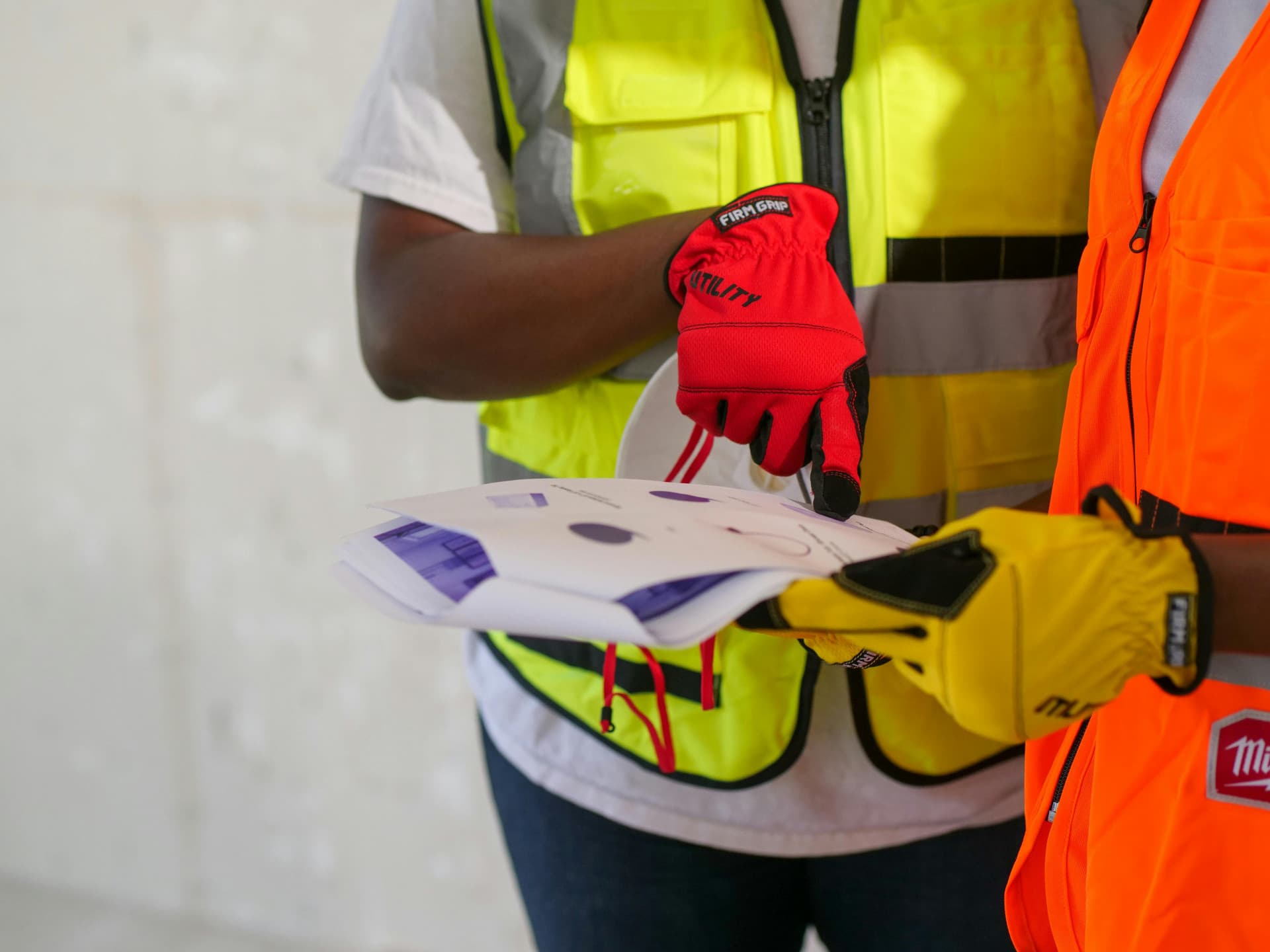
Ensure all warehouse workers have the necessary PPE for warehouse workers, such as safety footwear, high-visibility vests, and gloves. Conduct a compliance scan at the start of each shift to verify that everyone is wearing the appropriate safety equipment and using it correctly. This reinforces the importance of PPE in minimising safety hazards.
Hazard Spotting Walk-Throughs
Incorporate hazard spotting in logistics walk-throughs into the daily routine. Encourage warehouse staff to actively look for potential safety hazards such as trip hazards, spills, or improperly stored materials. Reporting these hazards promptly allows for quick corrective action and reduces the risk of accidents within the warehouse.
Forklift/Pedestrian Segregation Confirmation
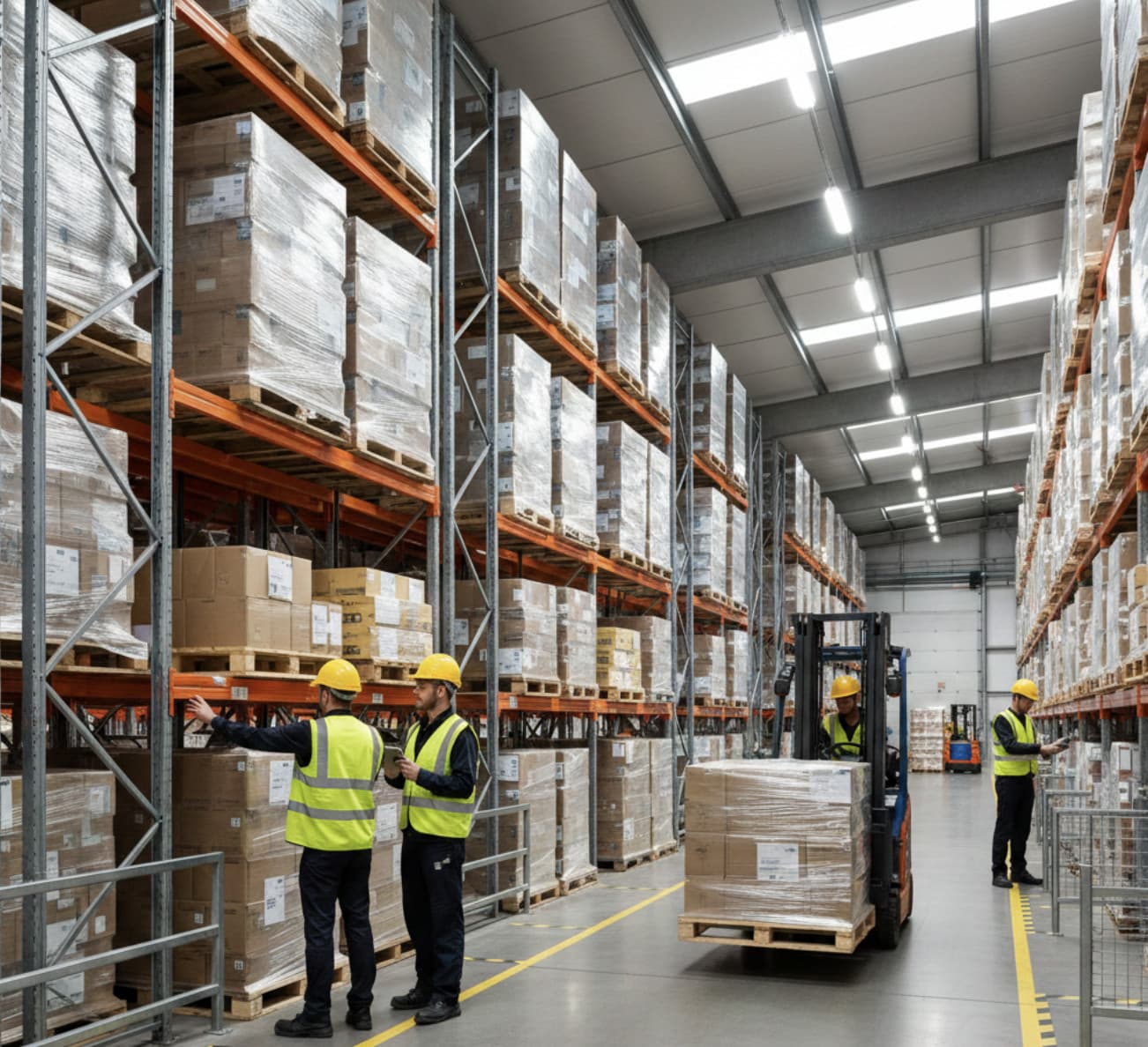
Confirm that forklift/pedestrian segregation confirmation measures are in place and being followed. This includes ensuring that designated walkways are clear, barriers are properly positioned, and traffic routes are well-marked. Maintaining clear separation between forklifts and pedestrians is crucial for preventing collisions and injuries in warehouse operations.
Weekly or Rotational Safety Procedures
Racking Inspection Schedule
A scheduled racking inspection schedule is crucial for warehouse safety. Regular checks, conducted by trained personnel, can identify damage or wear that could lead to collapse. Implement a system for reporting and addressing issues promptly to maintain the structural integrity of the pallet racking system and the safety in warehouses.
Fire Exit and Walkway Clearance Check
Regularly inspect and clear fire exits and walkways to ensure they remain unobstructed. This includes removing any stored materials, equipment, or debris that could impede evacuation routes. Clear pathways are essential for health and safety at work, allowing warehouse staff to safely exit the warehouse in case of a fire or other emergencies.
Forklift Maintenance Cycle
Establish a routine forklift maintenance cycle to keep these machines in optimal condition. Regular maintenance can prevent accidents caused by mechanical failures. Key checks include brakes, tyres, lights, and warning signals, all vital for warehouse safety and preventing common warehouse accidents. Comprehensive forklift maintenance is a cornerstone of warehouse health and safety.
Stock Layout Review to Prevent Hazards
Periodically review the stock layout to prevent hazards. Ensure that heavy items are stored on lower shelves and that aisles are wide enough for safe passage. A well-organised stock layout minimises the risk of items falling, crushing accidents, and other warehouse hazards, promoting warehouse health and safety.
Forklift & Transport Safety Controls
Segregated Traffic Routes
Establish segregated traffic routes to separate forklift traffic from pedestrian walkways within the warehouse environment. Clearly marked lanes, barriers, and signage can help prevent collisions and injuries. Implementing and enforcing these measures is critical for maintaining a safe warehouse environment and enhancing safety in the warehouse.
Speed Limits and Authorised Drivers Only
Enforce strict speed limits and ensure that only authorised drivers operate forklifts. Speed limits reduce the risk of collisions, while verifying operator training ensures competence. Regularly monitor compliance with these rules to maintain safety and prevent common accidents within warehouse and storage facilities.
Reversing Protocols and Banksman Rules
Implement clear reversing protocols and banksman rules to guide forklift operators when reversing. Banksmen should be trained to safely guide forklifts, especially in confined spaces or areas with limited visibility. Clear communication and adherence to these protocols are essential for preventing reversing-related accidents within the warehouse operations.
Manual Handling & Load Movement Safety
Mechanical Aids Hierarchy
Prioritise the use of the mechanical aids hierarchy to reduce the need for manual handling. This includes using forklifts, pallet jacks, and conveyors to move heavy or awkward loads. Proper use of mechanical aids minimises the risk of manual handling injuries and ensures warehouse staff can safely handle materials.
Safe Lifting Technique Reminders
Regularly remind warehouse workers of safe lifting techniques. Training sessions should cover proper posture, lifting with the legs, and avoiding twisting motions. Reinforcing these techniques helps prevent strains, sprains, and other common manual handling injuries, promoting workers’ health in the high-paced warehouse environment. Correct lifting is crucial to warehouse health and safety.
Team-Lift Decision Points
Establish clear team-lift decision points to determine when a load is too heavy or awkward for one person to lift alone. Team lifts should be coordinated, with one person directing the lift and ensuring everyone uses proper technique. Encouraging teamwork is an integral part of warehouse health and safety. This prevents accidents.
Warehouse Layout, Storage & Racking Safety
Safe Stacking Heights
Maintaining safe stacking heights is crucial for warehouse safety. Overly high stacks can become unstable, creating significant safety hazards that could lead to accidents and injuries. Ensure that warehouse staff are trained to assess load stability and adhere to recommended stacking limits. Regularly inspect stack heights to prevent potential collapses within the warehouse environment.
Pallet Condition Checks
Routine pallet condition checks are essential to warehouse health and safety. Damaged pallets can cause load instability, leading to accidents and injuries. Train warehouse workers to identify and remove compromised pallets from service, ensuring all pallets used meet safety standards. Regular pallet inspections contribute significantly to occupational safety in the warehouse.
Load Stability and Weight Distribution
Proper load stability and weight distribution are fundamental to warehouse health and safety. Unevenly distributed weight can compromise the stability of the load, increasing the risk of collapses and accidents. Ensure that warehouse staff are trained in proper loading techniques and understand the importance of weight distribution for maintaining a safe work environment.
Building Safety Culture: Engagement Routines
Near-Miss Reporting Habit Building
Encouraging near-miss reporting habit building is vital for promoting a proactive safety culture. A near-miss reporting warehouse system allows workers to report potential safety hazards before they result in accidents. Foster an environment where warehouse staff feel comfortable reporting near misses without fear of reprisal. This supports continuous improvement of safety in the warehouse.
60-Second Safety Stand-Downs
Implement 60-second safety stand-downs at regular intervals to reinforce safety awareness. These brief pauses can be used to discuss recent safety issues, review safety protocols, or highlight specific safety hazards. Regular stand-downs help keep safety top-of-mind for all warehouse workers and support a culture of safety in the warehouse.
Recognition for Good Safety Behaviour
Recognising and rewarding good safety behaviour can significantly boost warehouse health and safety. Acknowledge warehouse staff who consistently follow safety protocols, report hazards, and contribute to a safer work environment. Positive reinforcement encourages others to adopt safe work practices and fosters a stronger commitment to safety in the warehouse.
Compliance & Audit Frequency
HSE Storage and Warehouse Guidance
Adherence to HSE storage and warehouse guidance is essential for maintaining compliance and ensuring a safe work environment. Regularly review HSE guidelines to ensure warehouse operations meet the latest safety standards. Staying informed and compliant with HSE regulations is a critical component of effective warehouse health and safety.
Internal vs External Safety Audits
Conduct both internal vs external safety audits to identify gaps in safety protocols and ensure ongoing compliance. Internal audits provide a regular check on daily operations, while external audits offer an independent assessment of warehouse health and safety practices. Combining both types of audits ensures comprehensive safety management.
Role of Safety Management’s Risk Audit
Safety Management’s risk audit supports compliance by identifying and addressing potential safety hazards. Conduct regular risk assessments to evaluate warehouse health and safety and implement corrective actions. A thorough risk assessment process is key to preventing accidents and maintaining a safe work environment for all warehouse workers.
Conclusion: Safety Routines That Protect People and Improve Performance
A safe warehouse doesn’t happen by accident; it’s built through consistency. When daily checks become habit, when racking inspections are routine, and when every worker knows how to operate, lift and move safely, risk drops sharply. Warehouse health and safety procedures are not just regulatory requirements; they are operational foundations that protect people, stabilise output and reduce costly disruption.
By embedding safety into briefings, inspections, maintenance cycles and behavioural culture, logistics teams create environments where hazards are spotted early and incidents are prevented rather than responded to. The goal is a workplace where safety is visible, measurable, and lived.
Next Step: Strengthen Safety With a Professional Warehouse Audit
If you want assurance that your controls are working in practice, not only on paper, a professional warehouse safety audit can provide it. Safety Management’s risk audits highlight gaps, verify controls and deliver clear, practical actions to raise safety performance and reduce high-potential incidents across logistics environments.