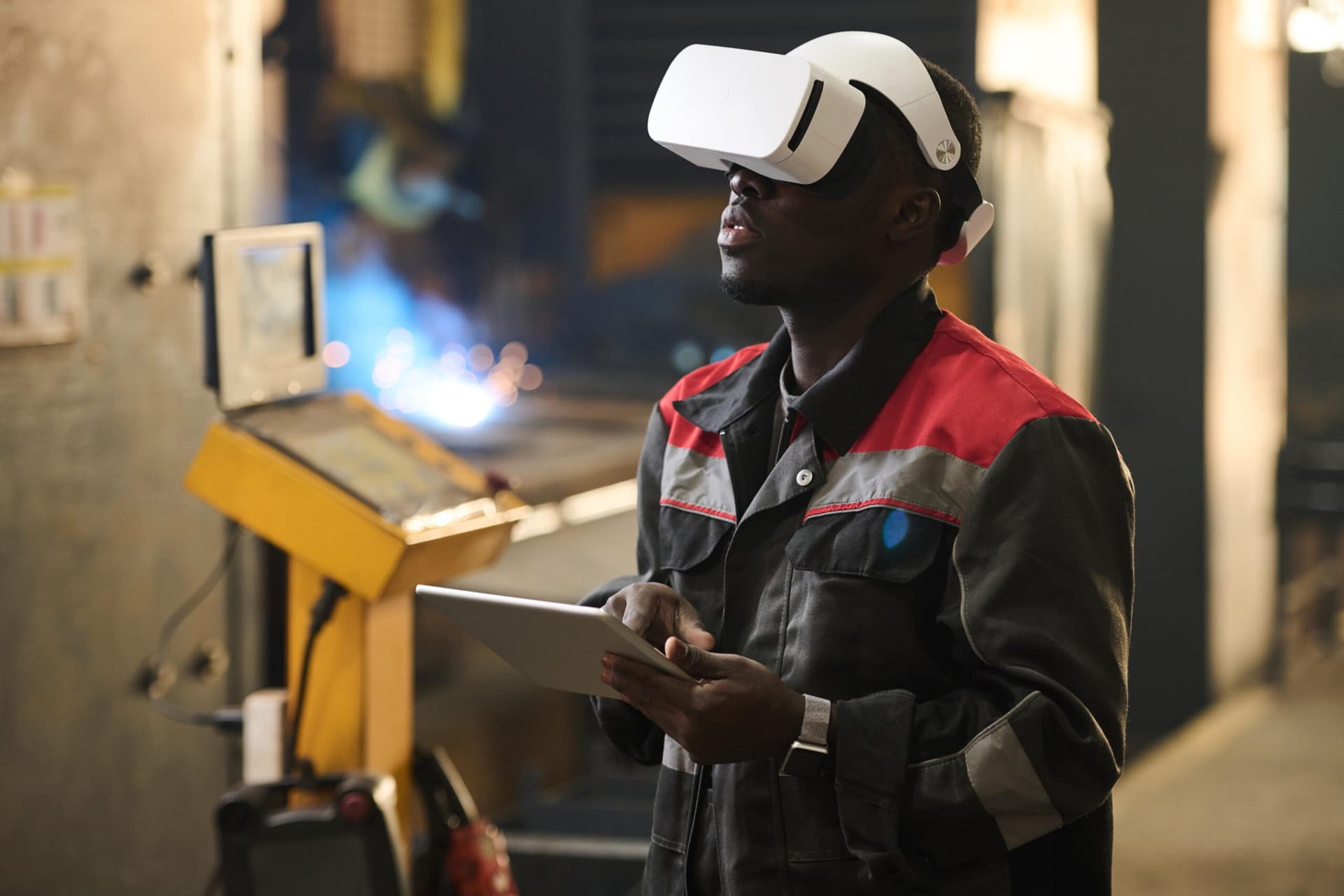
The use of wearable technology in workplace safety is growing, helping businesses across manufacturing, engineering, and retail improve worker protection, reduce incidents, and enhance compliance.
These smart devices provide real-time monitoring, helping employers detect risks before they lead to serious accidents. But how do they work, and what are the key benefits?
What is wearable safety technology?
Wearable safety technology includes smart devices worn by employees that track health, fatigue, and environmental risks. These devices use sensors, AI, and real-time alerts to improve safety and well-being.
Common types of wearable devices include:
- Smart helmets – Detect hazards such as falling objects or temperature changes. Some models also monitor worker fatigue and dangerous hand movements. (Stanley Handling)
- Fatigue monitors – Use biometrics to prevent accidents caused by exhaustion. Some wearable gloves now have sensors that detect excessive vibration exposure, reducing the risk of hand-arm vibration syndrome (HAVS). (Stanley Handling)
- Smart vests – Protect workers from impacts, heat stress, and exposure to harmful gases. Some AI-powered vests can adjust their temperature automatically based on external conditions. (British Safety Council)
- Location-tracking devices – Improve lone worker safety by ensuring they can be found in an emergency. These are particularly useful in warehouses and high-risk manufacturing environments. (Ubisense)
Market growth and adoption
The UK’s wearable technology market is experiencing substantial growth. According to Mordor Intelligence, the market is expected to register a Compound Annual Growth Rate (CAGR) of 17.65% during the forecast period. This surge is driven by the increasing adoption of devices such as smartwatches, fitness trackers, and head-mounted displays across various sectors.
According to Gm insight, the construction industry global market for wearable technology was valued at USD 4.1 billion in 2023 and is projected to grow at a CAGR of over 10% from 2024 to 2032. This growth is attributed to the rising focus on worker safety and the integration of advanced technologies to monitor and protect employees.
The UK’s Health and Safety Executive (HSE) recognises the potential of wearable technology in improving occupational safety. Through initiatives like the Industrial Safetytech Regulatory Sandbox, HSE collaborates with industry partners to explore and promote innovative safety technologies. This project aims to accelerate the adoption of safety-enhancing technologies, including wearables, within industries such as construction. https://solutions.hse.gov.uk/training/sandbox
Benefits of wearable technology in safety
The key advantages of wearable safety technology include:
- Real-time hazard detection – Alerts workers and managers to risks before an accident happens. Some AI-powered devices can predict potential incidents based on historical data. (British Safety Council)
- Improved compliance – Supports health and safety audits with data-driven reports, allowing for better risk assessments and regulatory compliance. (OH&S)
- Worker well-being – Monitors fatigue, posture, and environmental conditions to reduce workplace injuries. Some exoskeleton wearables even assist workers with physically demanding tasks, reducing musculoskeletal strain. (British Safety Council)
Challenges and considerations
- Privacy & data security – Employers must ensure data protection and compliance with GDPR, as many wearable devices collect sensitive worker information. (British Safety Council)
- Adoption barriers – Upfront costs and training may slow implementation. Some businesses may need to integrate wearables into existing safety procedures. (OH&S)
- Workforce trust – Employees must be assured that wearables enhance safety rather than track productivity. Transparent policies on data usage are essential for employee buy-in. (supported by more than one source)
Despite these challenges, wearable tech is shaping the future of workplace safety.
The future of workplace safety
As predictive analytics, AI, and IoT safety solutions evolve, businesses will have more advanced tools to protect employees. AI-driven wearables are already being used to:
- Prevent musculoskeletal injuries by analysing movement patterns and adjusting ergonomics. (NLM)
- Reduce collision risks in warehouses by alerting workers and autonomous vehicles of potential hazards. (British Safety Council)
- Improve lone worker safety with real-time location tracking and emergency response systems. (British Safety Council)
The British Safety Council and other industry bodies continue to advocate for smarter safety solutions in high-risk industries, reinforcing the importance of wearable technology.
SML’s commitment to workplace safety
While SML doesn’t manufacture wearable safety tech, we are committed to creating awareness of how technology is evolving by helping businesses identify the best safety practices.
Our expertise in safety management and compliance solutions ensures that companies remain proactive in protecting their workforce and in guiding our clients through the implementation of these innovative solutions, ensuring they harness the full potential of wearable technology when required.
Need expert guidance on workplace safety?
📞 Contact us for advice on risk assessments, safety solutions, and compliance best practices.