1
Reduced Incident Risk
Lower the likelihood of serious injury, enforcement action and unplanned downtime by identifying equipment hazards early.

PUWER ASSESSMENTS FOR UK BUSINESSES
Reduce machinery risk, improve compliance, and give your team confidence that work equipment is safe, suitable, and properly managed.
Established 1989. Independent, family-run with ex-enforcement expertise.










PUWER applies wherever work equipment is used. The gaps that lead to enforcement or serious incidents are rarely about missing paperwork. They are practical control failures around guarding, isolation, maintenance, competence and inspection evidence.
Lower the likelihood of serious injury, enforcement action and unplanned downtime by identifying equipment hazards early.
Demonstrate a competent, structured approach to work equipment risk with documented findings and prioritised actions.
Receive practical recommendations your engineering and operations teams can implement quickly and effectively.
A no-obligation conversation with our health and safety consultants.
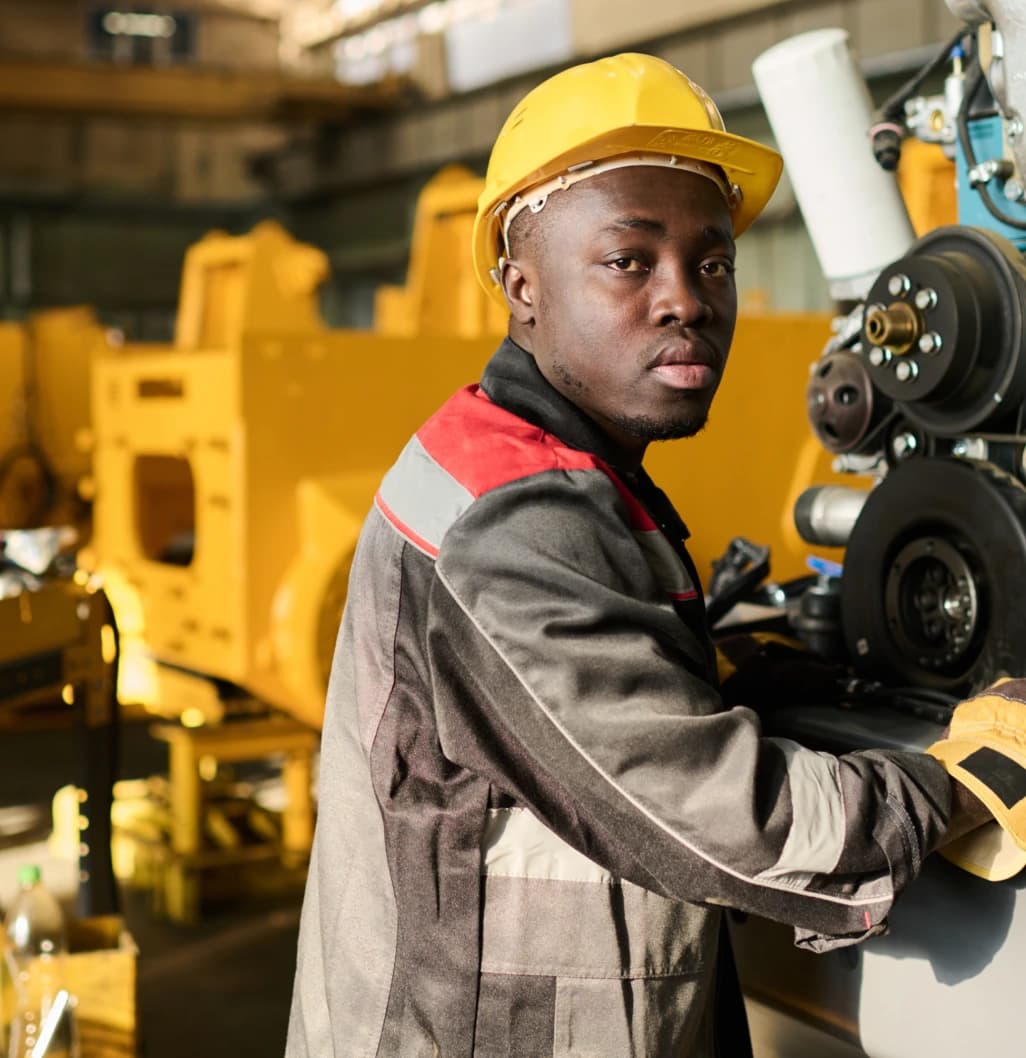
PUWER places duties on organisations that own, operate, or control work equipment and requires that equipment is suitable, maintained, inspected where needed, used by trained people, and supported by appropriate protective measures such as guarding and controls.
Inspection is required in specific circumstances, for example after installation before first use (where safety depends on installation), after reassembly at a new site, and at suitable intervals where deterioration could create danger. There is no one-size-fits-all frequency; it should be risk-based and documented.
Our consultants assess your work equipment against PUWER expectations and provide a clear, prioritised plan to close gaps quickly and safely.
We assess whether machinery is suitable for its intended task and environment, including any changes in use, load, materials or process that could introduce additional risk.
Review of fixed and interlocked guards, protective devices, safe access arrangements and whether control measures are appropriate for the level of risk.
Assessment of start and stop controls, emergency stops, control reliability and overall control system safety.
Evaluation of lock-off arrangements, energy isolation procedures and safe access for cleaning, servicing and breakdown response.
Review of maintenance regimes, inspection frequency, evidence of checks, and whether deterioration risks are properly managed and recorded.
Assessment of markings, warnings, operating instructions, operator competence, supervision and training records.
Review of how equipment is actually used, including setting, clearing jams, cleaning and maintenance activities.

Supporting safe, compliant operation of production lines, machinery and automated processes.
Supporting compliant use of technical equipment, workshops and complex operational environments.
Supporting safe use of materials handling equipment, fleet-related systems and warehouse operations.
Supporting compliant management of site plant, contractor equipment and project-based machinery risks.
We confirm equipment types, operational context, recent changes, and what “good” needs to look like for your risk profile.
A competent consultant reviews equipment condition, guarding, controls, isolation, and how equipment is actually used.
You receive a practical plan with clear recommendations, including quick wins and higher-risk issues requiring engineering action.

SML provided Baxters with interim health and safety support across our European facilities. They were able to provide baseline assessments across the sites along with specific improvement plans. SML were able to mobilise a wide range of experts to understand and tackle specific challenges.
Matt Crompton
European Manufacturing Director

Clear answers to common PUWER questions, based on the challenges organisations face every day.
PUWER is the Provision and Use of Work Equipment Regulations 1998. It sets duties for safe selection, use, maintenance, inspection where needed, and training around work equipment.
Most organisations need a competent assessment of work equipment risks and compliance, plus documented inspections where required (for example after installation, relocation, or where deterioration is likely).
PUWER does not set a single interval for all equipment. Suitable intervals depend on risk, conditions, and likelihood of deterioration, and should be justified and recorded.
Marking helps show conformity at supply, but employers still need to ensure equipment is safe in use, suitable for the task, and properly managed under PUWER.
Yes. Duties apply to those who control the equipment and those whose employees use it, even if they do not own it.
Work equipment is very broad: machinery, appliances, tools, and installations used at work, including activities like setting, cleaning, maintenance, and repair.
Yes. We can standardise assessment outputs, prioritisation, and close-out across sites and support ongoing governance.
Yes. We can help improve statutory inspection oversight where it applies and strengthen record keeping and action tracking.
If you'd like to explore how we can support your organisation, our consultants are here to help.
Get in touch